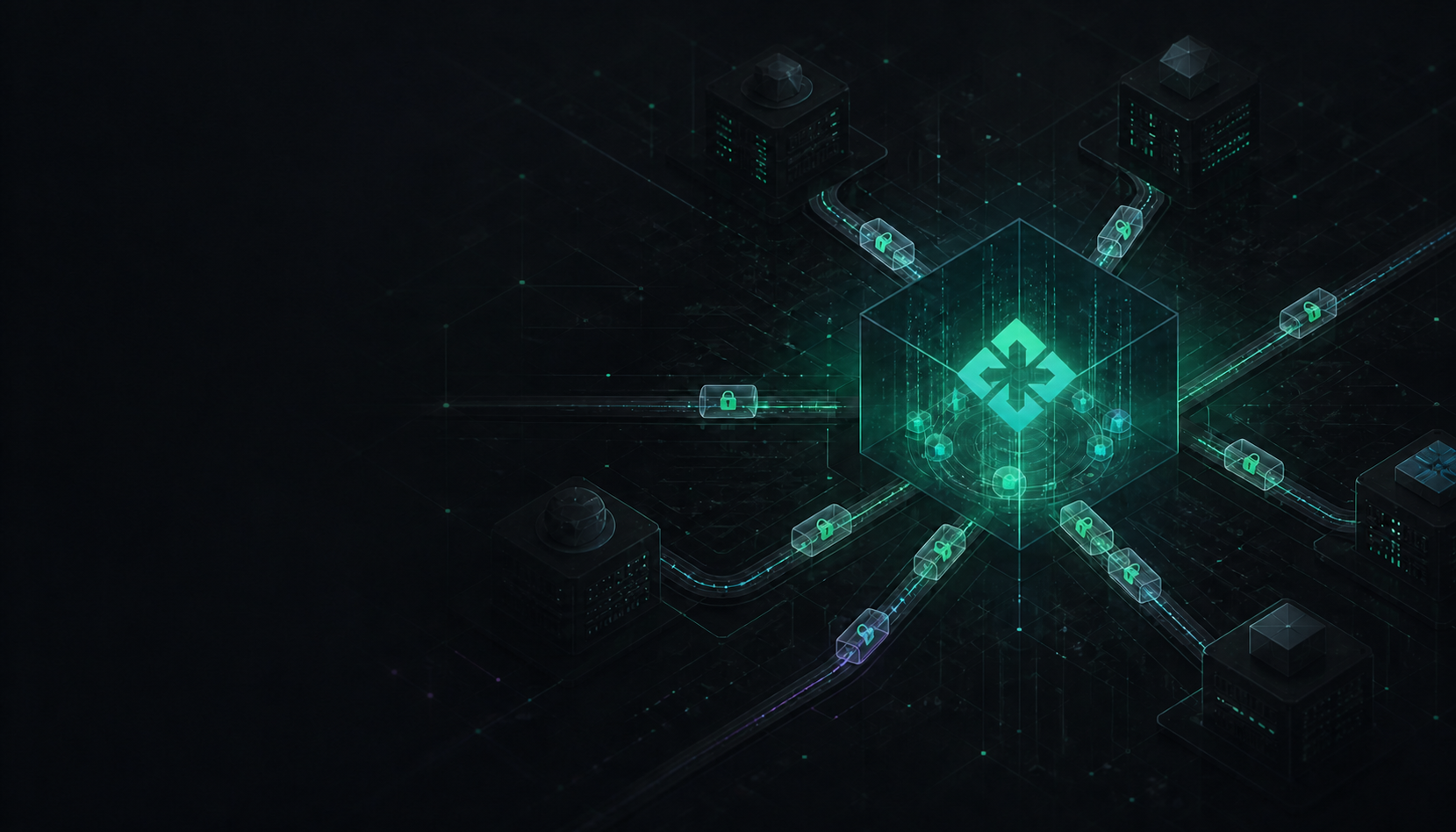
A central encrypted Matrix room receiving sealed notifications from a dark network of machine nodes

One Encrypted Room Per Signal: Matrix as a Notification Hub on Kubernetes

Introduction Three years ago I wrote about running a Matrix server with Docker Compose, where the interesting part was the federation-over-Cloudflare-tunnel arrangement and the observation that a Matrix homeserver makes a serviceable notification hub. That deployment has since moved into my RKE2 cluster, and the notification role has grown from a convenience into the primary reason the homeserver exists. Nearly every machine-generated message in my infrastructure now arrives in an end-to-end encrypted Matrix room. Feed digests from FreshRSS, Prometheus alerts, GitOps deployment results, Falco runtime detections, Authentik authentication events, media-library activity, uptime state changes, weather alerts, and notifications from the UniFi and Synology appliances all terminate in rooms whose contents the homeserver itself cannot read. Two AI agents also use encrypted Matrix rooms, each reserved for direct conversation with the agent. ...

August 29, 2026 · 21 min · Robert D. White

Turning an RSS Reader Into an Intelligence Pipeline

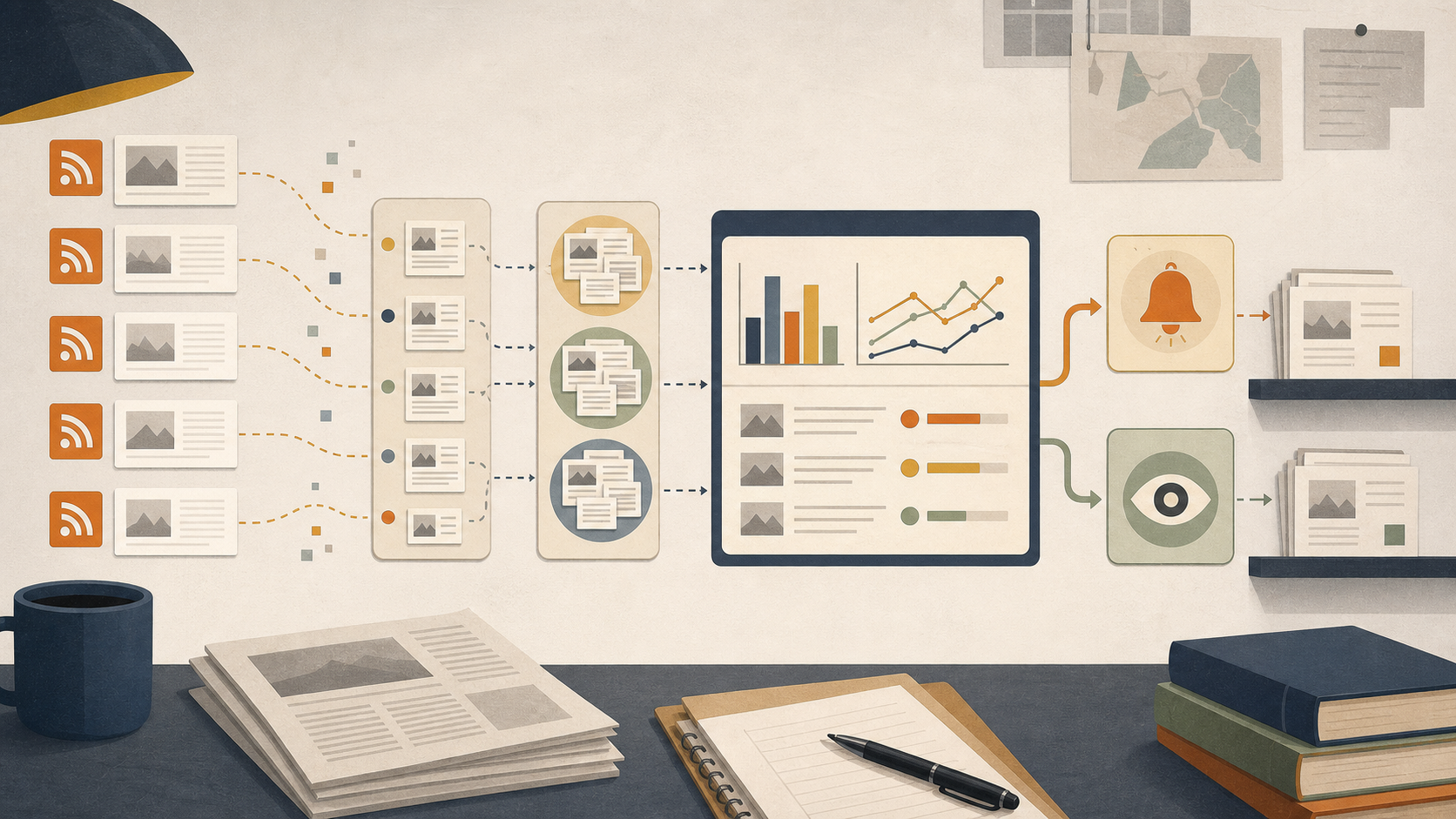
Introduction An RSS reader is very good at collecting material and almost useless at telling me what deserves the next ten minutes of my day. On a busy morning, a hundred stories can arrive, four may alter a customer conversation or an account plan, and the rest bury them under wire copy, recycled commentary, and headlines whose relationship to the underlying event is thin. Keyword alerts do not repair that problem. They report a word’s presence, then happily ring for a passing reference, a syndicated rewrite, an executive departure, a funding round, and a lawsuit with no discernment among them. The human cost is familiar. An alert stream that repeats itself becomes background noise, and the article that did matter gets read after the meeting for which it would have been useful. ...

August 16, 2026 · 8 min · Robert D. White
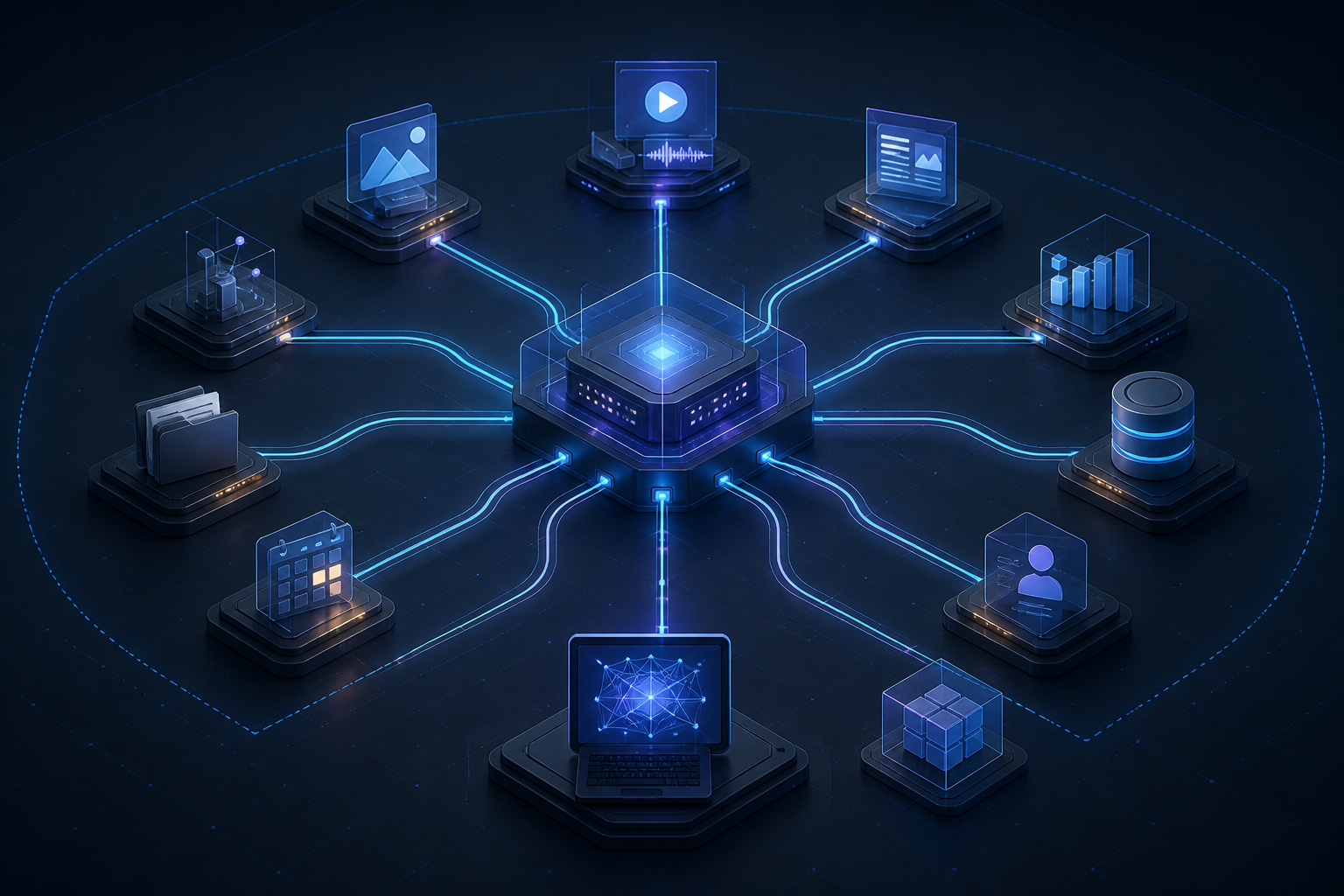
A central MCP gateway connecting an AI client to self-hosted application services

Ten MCP Servers for Ten Self-Hosted Apps: One Pattern

A Reusable Access Layer I first built pages, a static-site host with an MCP upload tool. It was useful enough that I kept repeating the design. The cluster now has ten MCP servers: congress-mcp, freshrss-mcp, googlenews-mcp, gsc-mcp, jetlog-mcp, media-mcp, monica-mcp, nodebyte-mcp, pages, and the Kubernetes server. Each server fronts one self-hosted application. The similarity is intentional. They share the manifest layout, bearer-token boundary, hostname convention, and deployment path. Adding the tenth took about forty minutes, most of it spent writing the tool descriptions that decide whether a client can use the server sensibly. ...

August 15, 2026 · 5 min · Robert D. White

One Ollama Endpoint, Two Very Different Backends

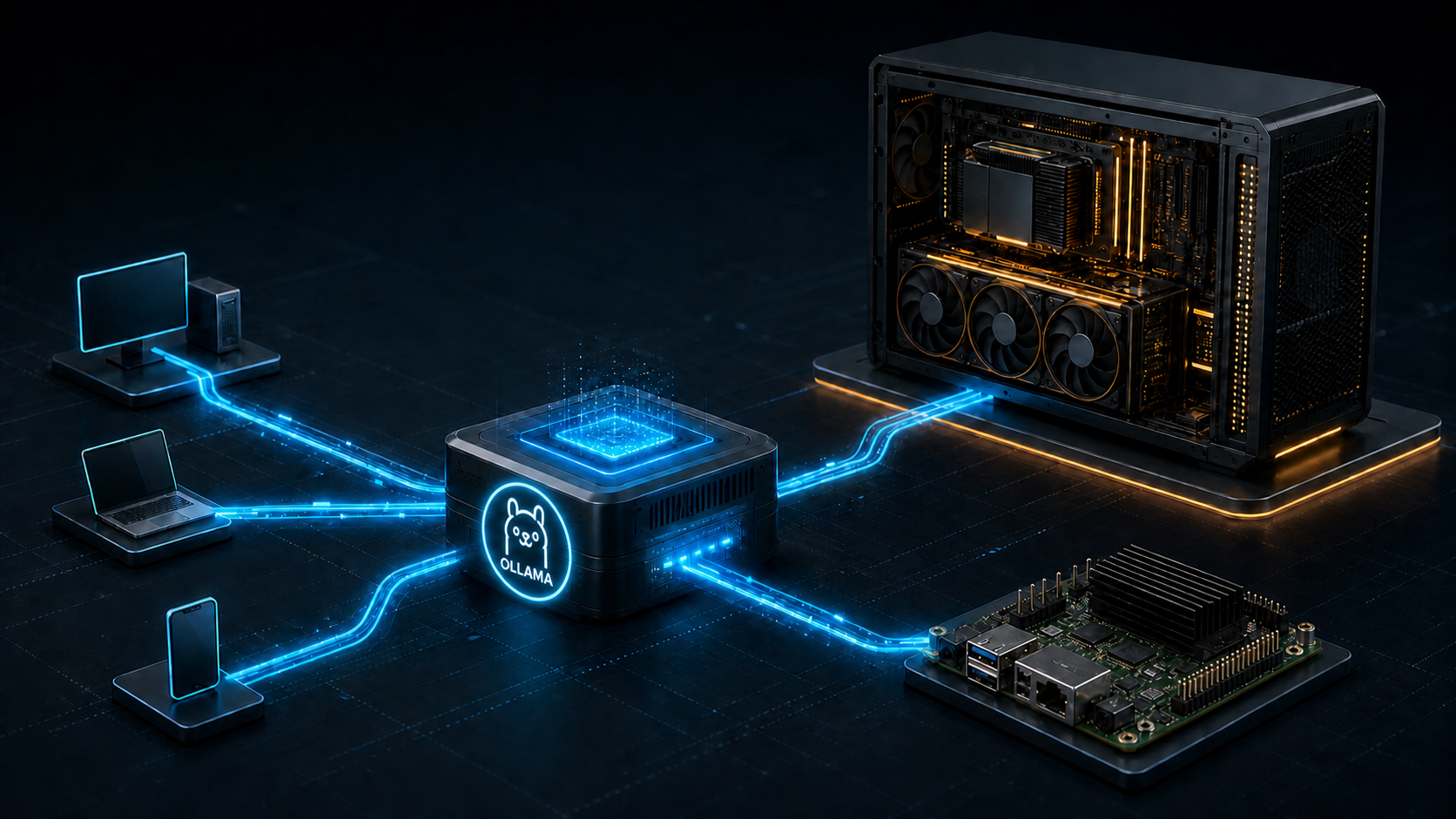
Introduction Nine namespaces in my cluster send work to a local language model. The SDR research stack tags transcriptions, the politics dashboard summarises feeds, the congressional-trade tracker prepares daily summaries, and several agents submit work throughout the day. They all call one stable hostname on port 11434. Behind it are two very different Ollama deployments. The primary is an RTX 5090 in a desktop tower that I deliberately power down at intervals. The fallback is an NVIDIA GB10 Spark board, where CPU and GPU share memory and GPU allocations count against the pod’s memory limit. The repository also contains a CPU-only manifest, although the active Kustomization excludes it. The Spark is the backend that remains when the tower is dark. ...

August 14, 2026 · 7 min · Robert D. White
The congress-trades dashboard showing trade-count and volume KPIs, a weekly buy/sell chart, and a hot-tickers list

Parsing Every Congressional Stock Disclosure: Seventeen CronJobs and a Lot of Bad PDFs

Introduction Members of the United States Congress must disclose many securities transactions, and the resulting records are public. As a dataset, however, they are close to unusable: the House publishes a ZIP archive whose underlying filings are frequently scanned images; the Senate uses a separate system with its own irregularities; tickers are inconsistent or absent; and neither chamber provides an interface resembling a durable public API. Several commercial services solve this and sell the result. I wanted to see how much of it I could do myself, in-cluster, from the primary sources. ...

August 9, 2026 · 7 min · Robert D. White
Available as a Tor onion service